01
The cartridge is locked to one supplier
An OEM cartridge carries an encrypted chip. The printer refuses anything else, and refilling or third-party supply is blocked in firmware. You are not buying a cartridge. You are buying a supply agreement you cannot leave.
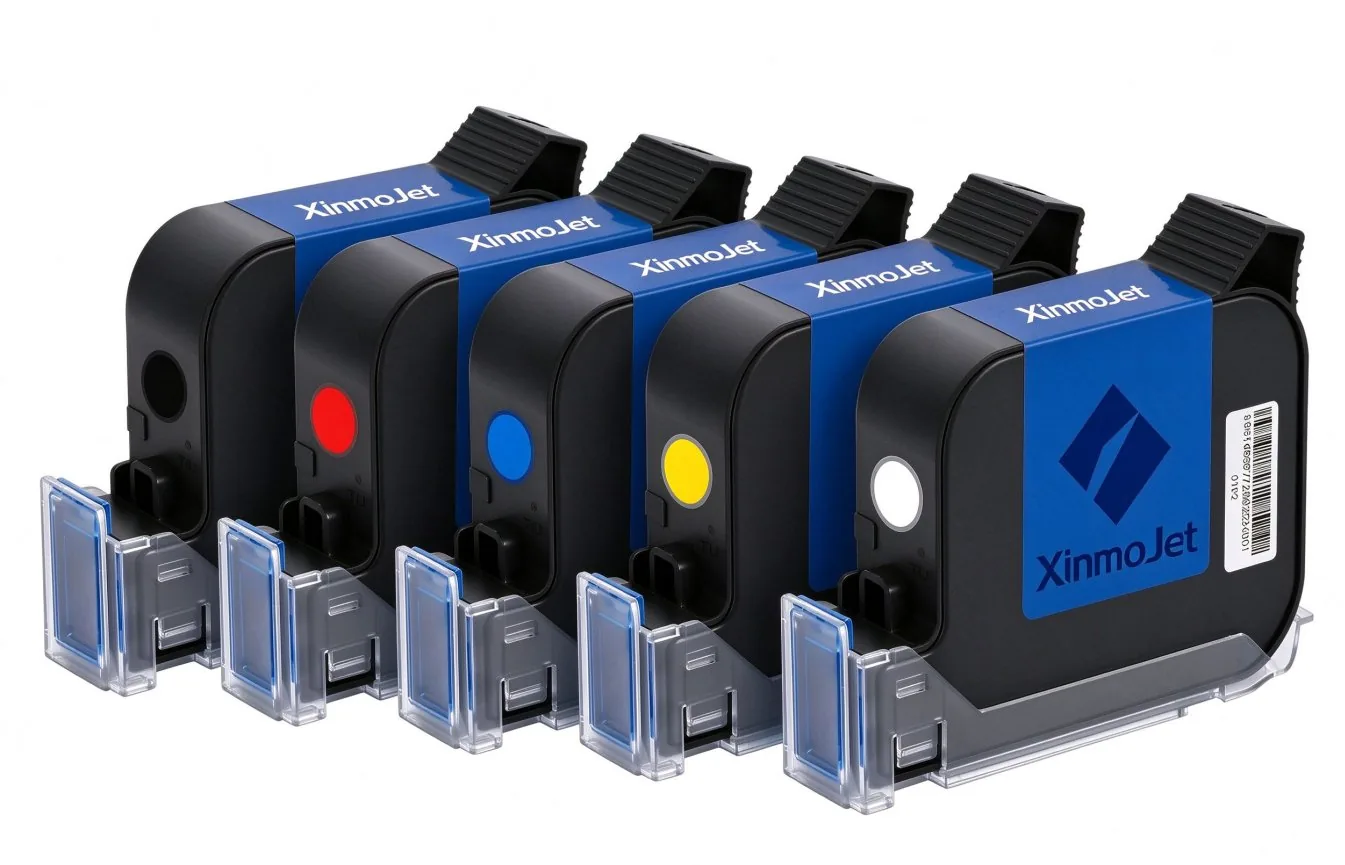
Ours are open-system: no chip lock-out, no authorisation handshake. Because we make them rather than resell them, that is a decision we control — not a promise about somebody else’s hardware. Run ours as a second source without replacing the printer.
02
Consumables quietly become the biggest cost
The printer is bought once. Cartridges are bought every month, and once the platform is locked the price is not yours to negotiate. Most buyers find out where the money sits around month twelve.
We quote per thousand marks against your actual coding content, so the comparison is your real output, not a list price. Fill is a full 42 ml, not a reduced service fill.
03
The ink stops drying when the material changes
A water-based ink that is perfect on carton will not bond to HDPE. Switch substrate — or your supplier changes the surface treatment — and codes start smearing on the roller, two stations downstream from the cause.
Ink follows substrate here, not the other way round. Send the material and we match the ink to its surface energy, then print and run the tape and wipe tests.
04
Nozzles drop out mid-shift
Missing nozzles leave white gaps through a date code. It gets blamed on the cartridge; often the real cause is the run pattern or a long idle stop.
We build the body and formulate the ink, so decap behaviour is ours to change. Our datasheets publish it per ink so you can plan stoppages, and a dropped nozzle means a new cartridge — not a cleaning routine.